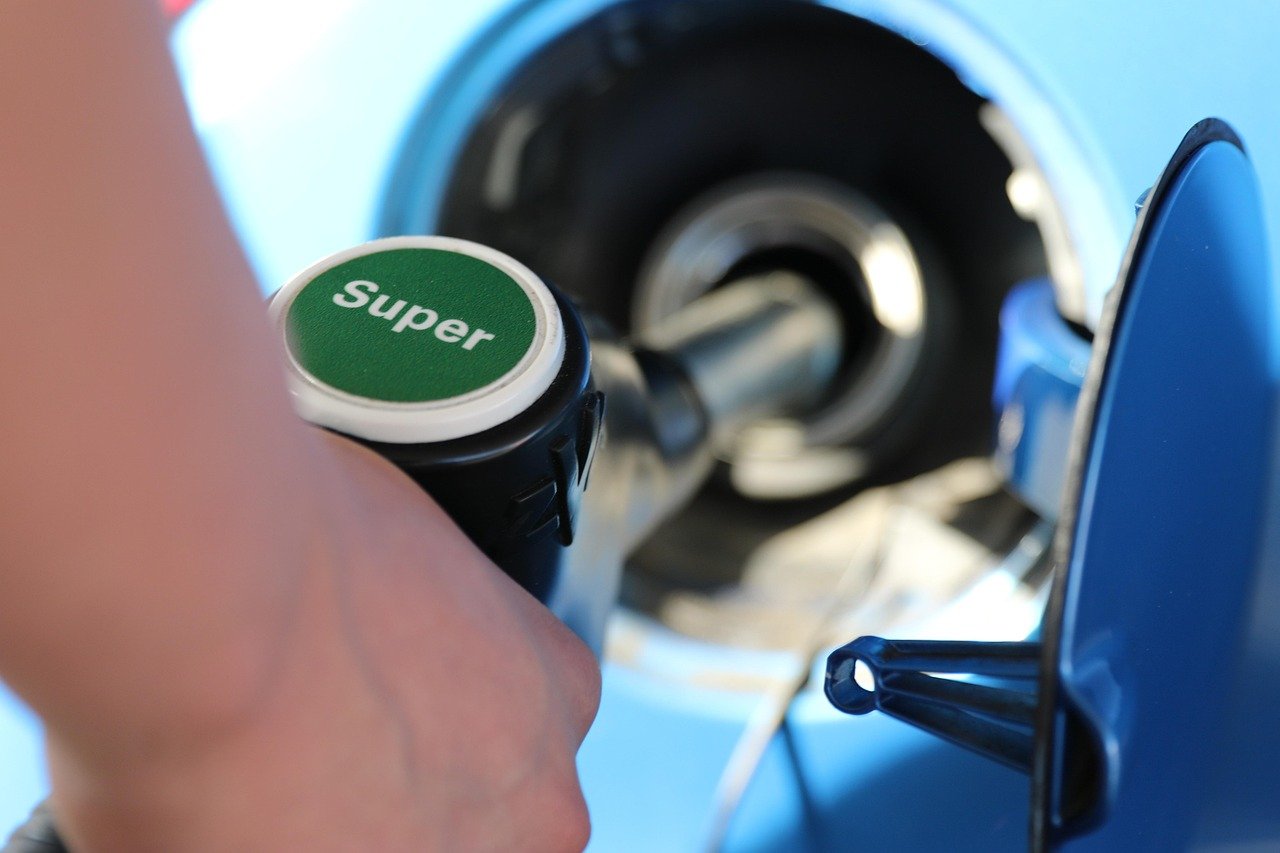
Bengaluru motorists woke up to a sharper reality as fuel prices climbed again, with petrol crossing ₹106 per litre and diesel touching ₹94. For many residents, the increase is more than a number on a petrol pump display; it is a fresh reminder of how closely daily life in the city is tied to the cost of energy. From office commuters and cab drivers to delivery workers and small businesses, the ripple effects are immediate and hard to ignore.
Why the Fuel Price Hike Matters So Much
In a city known for long commutes, unpredictable traffic, and a growing dependence on private vehicles, every rupee added to fuel prices can change household budgets. Bengaluru’s expanding suburbs have made travel times longer for workers living far from central business districts. When petrol crosses the ₹106 mark, the extra cost is not just felt at the pump; it shows up in monthly transport expenses, ride-hailing fares, and even the price of goods that depend on road transport.
Diesel, now at around ₹94 per litre, is equally important because it drives much of the city’s logistics network. Trucks, buses, commercial vans, and delivery fleets rely on diesel for moving everything from groceries to construction materials. When diesel costs rise, businesses often pass on the burden to consumers in the form of higher prices. That means inflation can spread quietly through everyday purchases, making the hike more than a personal inconvenience.
The Daily Commuter Feels the Pressure First
For salaried employees who drive to work, the increase may seem manageable at first, but it adds up quickly over weeks and months. A commuter who fills a two-wheeler tank twice a month now spends noticeably more than before. Car owners, especially those who travel across the city for office, school drop-offs, or errands, may begin to rethink route choices and travel frequency.
Many Bangaloreans have already started adjusting their routines. Some are carpooling more consistently, while others are switching to metro and bus services for at least part of their journey. Ride-sharing users, too, may notice fares inching upward as drivers account for higher operating costs. In a city where time and convenience often justify higher transport spending, rising fuel prices force a new calculation: is the extra comfort still worth the extra cost?
Auto, Cab, and Delivery Operators Face a Tougher Equation
Fuel price changes hit commercial drivers with particular force because their vehicles are their livelihood. Auto-rickshaw drivers, cab operators, and app-based delivery workers cannot easily absorb higher fuel bills without affecting their earnings. Some may increase fares slightly, while others may reduce trips or work longer hours to maintain the same income. For gig workers, who already operate on tight margins, even small fuel hikes can make the difference between a profitable day and a frustrating one.
Businesses that depend on daily mobility are also under strain. Restaurants offering doorstep delivery, pharmacies with home-drop services, and retailers moving stock across the city must now budget more carefully. In competitive sectors, companies may hesitate to raise prices too quickly, but prolonged fuel inflation leaves few options. Over time, the cost pressure can influence staffing, delivery zones, and service availability.
What This Means for Households and Small Businesses
Households often feel fuel inflation in subtle ways. A family may cut back on weekend drives, combine errands into a single trip, or rely more on public transport for routine travel. Some residents are delaying vehicle use altogether unless it is absolutely necessary. These behavioral changes are practical responses, but they also reflect how rising fuel costs can reshape city living.
Small businesses face a different kind of challenge. A neighbourhood grocery shop that receives regular supplies by van or a local contractor sending workers across the city may see operating expenses rise without warning. Unlike larger corporations, smaller players often have little room to absorb such shocks. For them, fuel price hikes can affect profit margins, pricing decisions, and even customer retention if service fees climb too high.
Looking at Alternatives
Higher fuel prices often push people to reconsider transportation habits, and that may be the one silver lining in the current situation. Bengaluru’s metro network, buses, and shared mobility options become more attractive when fuel costs rise. Two-wheeler riders may consolidate trips, office-goers may form carpools, and families may think more seriously about living closer to work or school. While no single alternative can solve the problem, a mix of smarter travel choices can reduce the sting of expensive fuel.
Vehicle maintenance also becomes more important when every litre matters. Proper tyre pressure, regular servicing, smooth driving, and avoiding unnecessary idling can improve mileage and stretch fuel budgets. For commercial operators, route planning and load management can help reduce waste and improve operational efficiency. These are not dramatic solutions, but in a high-cost fuel environment, small efficiencies add up.
The Bigger Picture for Bengaluru
Bengaluru’s fuel price story is also a reminder of how urban growth and energy costs are intertwined. As the city expands, dependence on road transport remains high, even as public transit improves. That makes fuel pricing a key factor in the everyday economy, affecting not only personal mobility but also commerce, logistics, and household spending. When petrol rises above ₹106 and diesel nears ₹94, the effect is felt far beyond the pump, shaping the cost of living in ways that are immediate, visible, and deeply personal.
For now, residents may have no control over global oil movements, tax structures, or market volatility, but they can control how they respond to the change. The current hike is likely to encourage more careful travel planning, stronger demand for shared transport, and greater attention to fuel efficiency. In a city that thrives on speed, innovation, and adaptation, the challenge is not just paying more at the pump; it is finding smarter ways to keep moving when every kilometre has become a little more expensive.
 Support Us