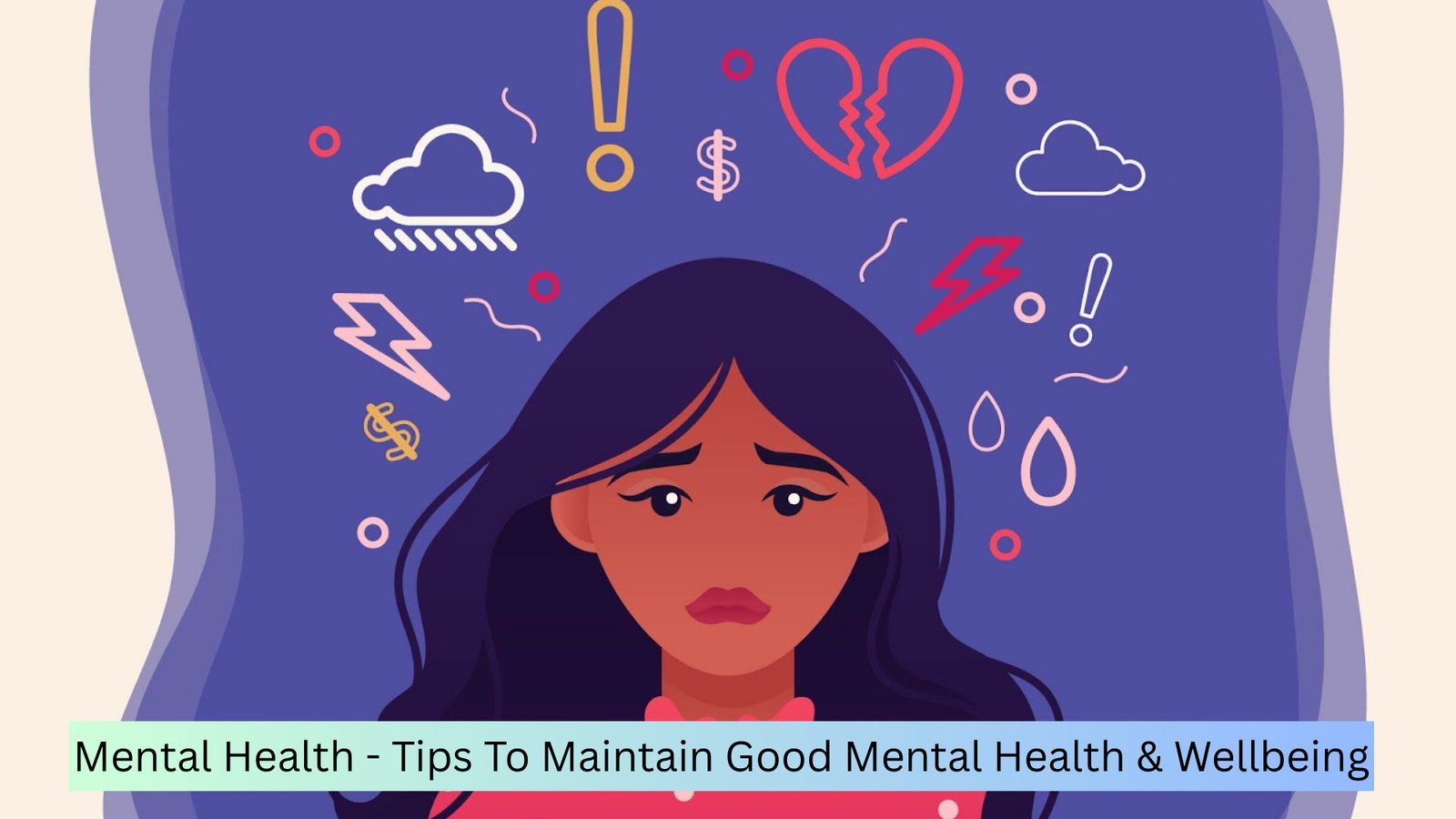
Mental Health – Maintaining Good Mental Health and Wellbeing
Understanding Mental Health
Mental health encompasses our emotional, psychological, and social wellbeing. It affects how we think, feel, and behave – shaping how we handle stress, relate to others, and make decisions. According to the World Health Organization (WHO, 2022), mental health is “a state of mental wellbeing that enables people to cope with the stresses of life, realise their abilities, learn well and work well, and contribute to their community.” Maintaining good mental health doesn’t mean feeling happy all the time. Rather, it involves having the flexibility and resources to manage difficult emotions, recover from setbacks, and maintain meaningful connections with others.
1. Build Emotional Awareness and Regulation
Self-awareness is a cornerstone of mental wellbeing. When we can recognise and name our emotions, we are better positioned to respond to them constructively rather than react impulsively. Emotion regulation involves learning to tolerate distress, soothe oneself effectively, and express emotions in healthy ways. Therapies such as Dialectical Behaviour Therapy (DBT) and Acceptance and Commitment Therapy (ACT) emphasise mindfulness, acceptance, and value-based action – skills that support emotional balance.
Practical strategies:
- Pause and notice what you’re feeling before reacting.
- Label emotions accurately (“I’m feeling anxious,” not just “I feel bad”).
- Practise grounding techniques such as slow breathing or noticing five things around you using each of your senses.
- Reflect on what your emotion might be signalling – often, emotions provide useful information about unmet needs or values.
2. Foster Supportive Relationships
Humans are inherently social beings, and strong social connections are consistently linked to better mental health outcomes. Studies show that people with supportive relationships experience lower rates of depression, anxiety, and stress-related disorders. Connection doesn’t require a large social circle – even a few trusted relationships can make a significant difference. The key lies in reciprocity, trust, and feeling understood.
Ways to strengthen social wellbeing:
- Prioritise quality time with loved ones, even in small doses.
- Express appreciation and empathy regularly.
- Engage in community or group activities aligned with your interests.
- Seek professional or peer support during challenging periods.
3. Prioritise Restorative Sleep
Sleep is a vital yet often underestimated pillar of mental health. Chronic sleep deprivation increases vulnerability to anxiety, low mood, and emotional dysregulation. Establishing healthy sleep hygiene can significantly enhance emotional stability and cognitive function.
Evidence-based sleep strategies:
- Maintain a consistent bedtime and wake-up time, even on weekends.
- Limit screen exposure and bright light an hour before bed.
- Keep your bedroom cool, dark, and quiet.
- Avoid caffeine, alcohol, or heavy meals close to bedtime.
- Use relaxation techniques such as progressive muscle relaxation or guided imagery.
 Read here:Mental Health How Does Exercise Improve Mental Health
4. Move Your Body Regularly
Physical activity has robust evidence supporting its role in improving mental health. Exercise stimulates the release of endorphins, promotes neurogenesis, and regulates neurotransmitters such as serotonin and dopamine – all associated with mood regulation. Research from the Black Dog Institute (2020) highlights that even 30 minutes of moderate exercise, three to five times per week, can reduce symptoms of depression and anxiety.
Tips for integrating movement:
- Choose activities you enjoy – walking, dancing, yoga, swimming, or team sports.
- Set realistic goals and build gradually.
- Combine physical activity with social interaction for extra benefit (e.g., walking with a friend).
- Notice how your mood shifts after moving – reinforcing positive feedback can strengthen the habit.
5. Nourish Your Body and Brain
Nutrition plays an important role in maintaining emotional balance and cognitive function. Emerging research shows strong links between diet quality and mental health outcomes. A diet rich in whole foods, omega-3 fatty acids, antioxidants, and fibre supports brain health and reduces inflammation – a process implicated in depression and anxiety.
Practical dietary tips:
- Emphasise fruits, vegetables, whole grains, lean proteins, and legumes.
- Include omega-3 sources such as salmon, walnuts, and flaxseed.
- Limit processed foods, refined sugar, and excessive alcohol.
- Stay hydrated – dehydration can impact concentration and mood.
6. Practise Mindfulness
mindfullness – the practice of paying attention to the present moment with openness and curiosity – has been shown to reduce stress, rumination, and emotional reactivity (Kabat-Zinn, 2013). It also enhances self-compassion and resilience.
How to cultivate mindfulness:
- Start with short daily practices (2–5 minutes of mindful breathing).
- Incorporate mindfulness into routine activities — showering, walking, eating.
- Explore guided meditations or mindfulness-based apps.
- Notice thoughts as passing events rather than facts.
7. Develop Healthy Thinking Patterns
Our thoughts strongly influence our emotions and behaviours. Cognitive distortions — such as catastrophising, black-and-white thinking, or overgeneralising – can increase distress and maintain mental health difficulties. Cognitive Behaviour Therapy (CBT) teaches people to identify and challenge unhelpful thinking styles and replace them with more balanced perspectives.
Practical strategies:
- When you notice a negative thought, ask: Is there evidence for and against this belief?
- Consider alternative explanations.
- Focus on what’s within your control rather than what’s not.
- Practise self-compassion – speak to yourself as you would to a friend.
Over time, these skills help build cognitive flexibility, which is essential for emotional resilience.
8. Manage Stress Proactively
Chronic stress is a major risk factor for mental and physical health issues. While some stress is inevitable – and even motivating – prolonged activation of the body’s stress response can contribute to burnout, anxiety, and depression. Learning to recognise early signs of stress and implement coping strategies is key to prevention.
Evidence-based coping methods:
- Use relaxation techniques (e.g., deep breathing, meditation, gentle stretching).
- Break large tasks into manageable steps.
- Schedule regular downtime – rest is productive.
- Identify and modify unhelpful perfectionistic or people-pleasing patterns.
- Seek professional support when stress feels unmanageable.
9. Cultivate Meaning and Purpose
Having a sense of meaning and direction is strongly linked to mental health and life satisfaction. Purpose doesn’t have to come from grand achievements – it can be found in relationships, creativity, service, learning, or personal growth.
Ways to enhance purpose:
- Reflect on your values – what truly matters to you?
- Set goals aligned with those values.
- Engage in activities that contribute to something larger than yourself.
- Revisit and adjust your sense of purpose as life evolves.
10. Seek Help Early
Good mental health also means recognising when you’re struggling – and seeking help early. Too often, people wait until distress becomes overwhelming before reaching out. Research consistently shows that early intervention leads to better outcomes. Speaking to a psychologist can help you understand what’s happening, identify contributing factors, and develop tailored strategies to improve wellbeing. Therapy offers a confidential, non-judgemental space to explore patterns, learn new coping skills, and make sustainable change.
Read this:Mental Health 60 self care tips to improve mental health
Follow Us
Follow KannadaFolks channel on WhatsApp
Visit the Kannadafolks.in follow the latest updates
Subscribe and Receive exclusive content and updates on your favourite topics
Subscribe to KannadaFloks YouTube Channel and watch Videos
 Support Us