Mental Health – What is Trauma and its types | KannadaFolks
What is trauma?
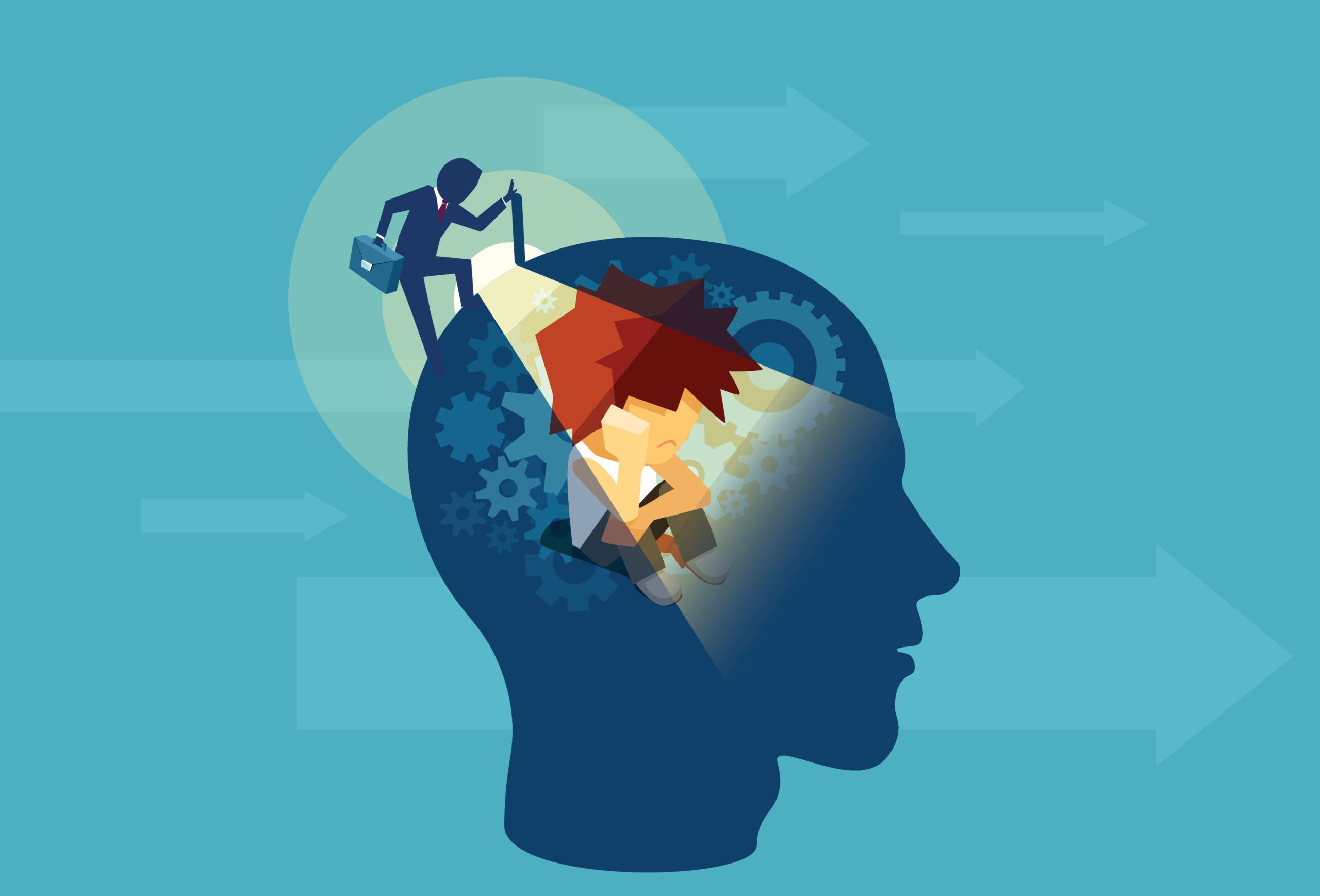
Trauma is when we experience very stressful, frightening or distressing events that are difficult to cope with or out of our control. It could be one incident, or an ongoing event that happens over a long period of time.Most of us will experience an event in our lives that could be considered traumatic. But we won’t all be affected the same way. Trauma can happen at any age. And it can affect us at any time, including a long time after the event has happened.
Read this:Mental Health – How to improve your mental wellbeing
Types of Trauma:
Acute Trauma: A single, intense event (e.g., natural disaster, serious accident).
Chronic Trauma: Prolonged, repeated exposure (e.g., domestic violence, long-term illness, bullying).
Complex Trauma: Multiple, varied traumatic events, often interpersonal (e.g., childhood abuse, ongoing neglect).
Secondary Trauma: Trauma experienced by those helping trauma survivors (e.g., first responders, therapists).
Common Mental Health Problems Linked to Trauma:
Post-Traumatic Stress Disorder (PTSD): Intrusive memories, nightmares, avoidance, irritability, hypervigilance after trauma.
Acute Stress Disorder (ASD): Similar to PTSD but occurs immediately after trauma.
Adjustment Disorders: Emotional/behavioral symptoms in response to a stressor.
Attachment Disorders (RAD, DSED): Disruptions in bonding, often from early childhood neglect or abuse.
Trauma-Related Depression & Anxiety: Overlapping symptoms like low mood, guilt, or excessive worry, often alongside PTSD.
Effects of Trauma:
Emotional: Shock, fear, helplessness, guilt, anger, numbness, depression, anxiety.
Physical: Headaches, fatigue, shaking, body aches, sleep problems, changes in appetite.
Behavioral: Irritability, self-destructive behavior (substance use), social withdrawal, difficulty concentrating.
Read this:7 Ways to Overcome Depression Without Medication
 Support Us