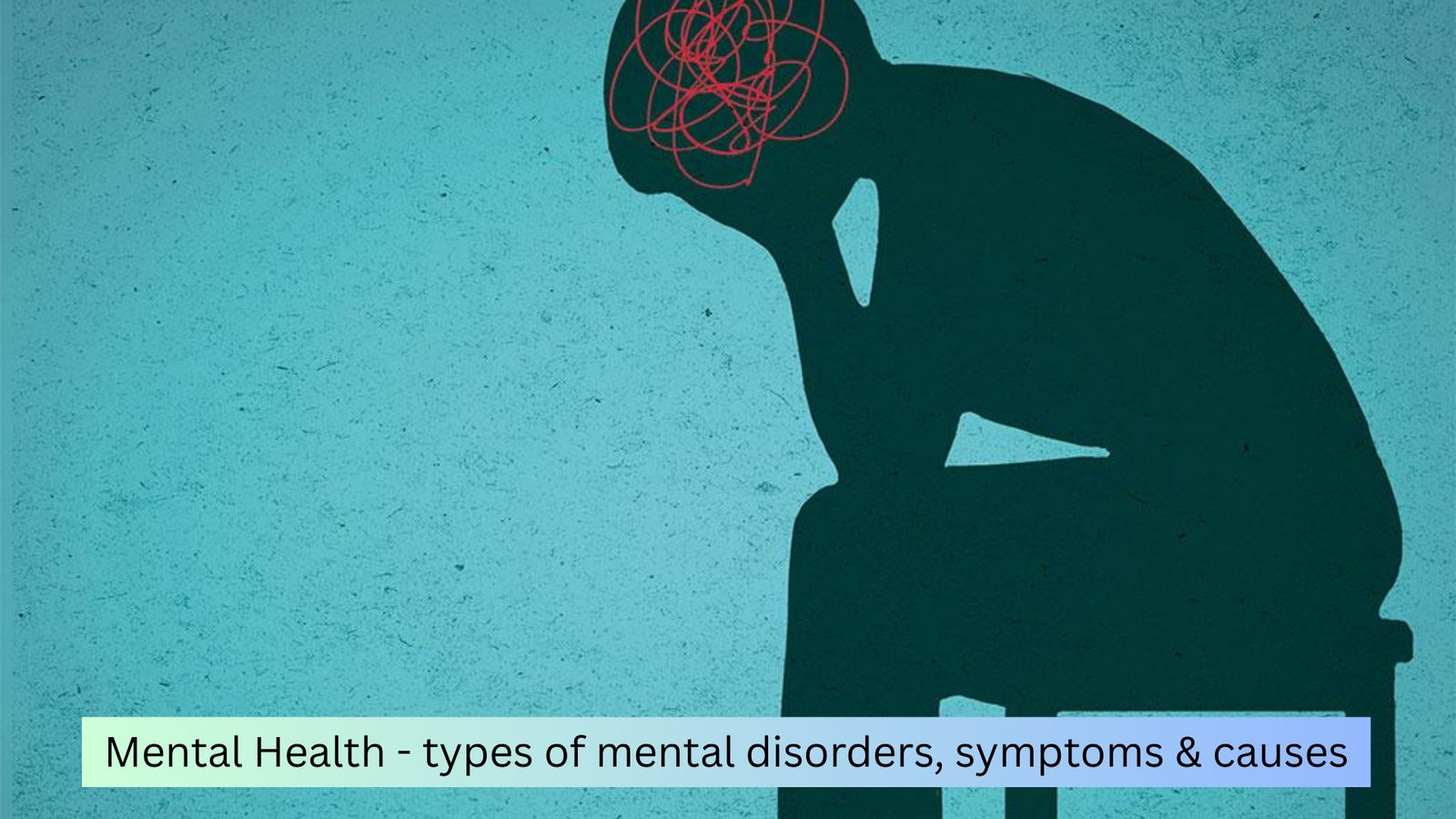
Mental Health – Mental disorders list and symptoms
What is a Mental Disorder?
A mental health disorder, also known as a mental illness or psychiatric disorder, is a condition that affects the way you think and behave. It also influences your emotions and how you regulate them. You may feel anxious or empty, have racing thoughts or have trouble eating or sleeping.
Types of mental disorders
There are more than 200 types of mental health disorders. Some of the most common types include:
- Anxiety disorders like post-traumatic stress disorder (PTSD), obsessive-compulsive disorder (OCD), social phobia and generalized anxiety disorders
- Mood disorders like depression and bipolar disorder (manic depression)
- Disruptive behavior disorders like oppositional defiant disorder and conduct disorder
- Eating disorders likeanorexia nervosa, bulimia nervosa and binge eating disorder
- Personality disorders like borderline, antisocial, and narcissistic personality disorder
- Psychotic disorders like schizophrenia
- Substance use disorders, addiction and alcohol use disorder
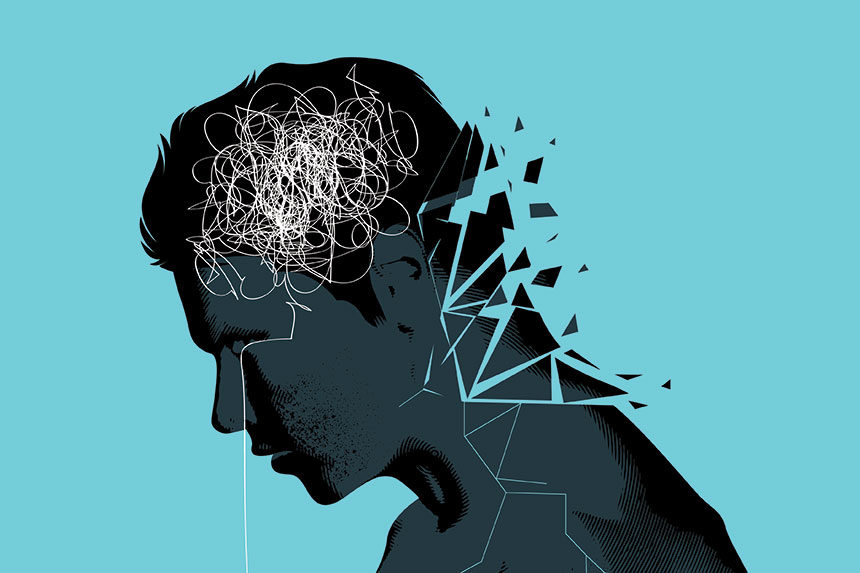 Read this:Mental Health50 Tips to Overcome Mental Depression
Symptoms and Causes
Mental disorder symptoms
Mental health conditions can lead to a broad range of symptoms. These vary based on the type, but may include:
- Behavior that seems out of character
- Difficulty identifying reality (hallucinations or delusions)
- Excessive worry, fear or unusual thoughts
- Feeling disconnected from yourself or others
- Heightened sensitivity to light, sound or smell
- Loss of interest in usual activities
- mood swings or exaggerated emotions
- Performance issues at work or school, or relationship challenges
- Self-harm or thoughts of suicide
Mental disorders in children may affect how they think, feel and behave. You might notice that your child has:
- Difficulty sitting still or paying attention
- Excessive worry or fear, like not wanting to go to bed (nightmares)
- Decreased interest in their favorite activities
- Frequent tantrums defiance or aggressive behavior
- Problems at school or with friends
A person doesn’t have to have all of these symptoms to receive a diagnosis. But, experiencing a few may be a sign to talk to a healthcare provider.
Mental disorder causes
Many factors may contribute to the development of a psychiatric disorder. These could include:
- Genetics: You may inherit gens that increase your risk of certain mental health conditions. However, having these genes doesn’t guarantee you’ll develop the disorder.
- Brain chemistry and function: Your brain uses chemicals called neurotransmitters to help control your mood and behavior. Disruptions in how these chemicals work may lead to mental disorders.
- Life experiences and environment: Stressful experiences, especially early in life, may increase your risk. Also, factors like substance use, availability of social support and chronic medical conditions may play a role.
Risk factors
Anyone can develop a mental disorder. Your risk increases if you:
- Experienced abuse or trauma
- Experienced significant stress, like the loss of a loved one
- Feel isolated or lonely
- Had a traumatic brain injury Had exposure to viruses, toxic chemicals or substances (like alcohol) before birth
- Have a biological family history of the condition
- Have a chemical imbalance in your brain
- Have a chronic or serious medical condition (like pain or cancer)
- Use addictive substance
Read this:Mental Health 50 Realistic Ways to Improve Your Mental Health
Follow Us
Follow KannadaFolks channel on WhatsApp
Visit the Kannadafolks.in follow the latest updates
Subscribe and Receive exclusive content and updates on your favourite topics
Subscribe to KannadaFloks YouTube Channel and watch Videos
 Support Us