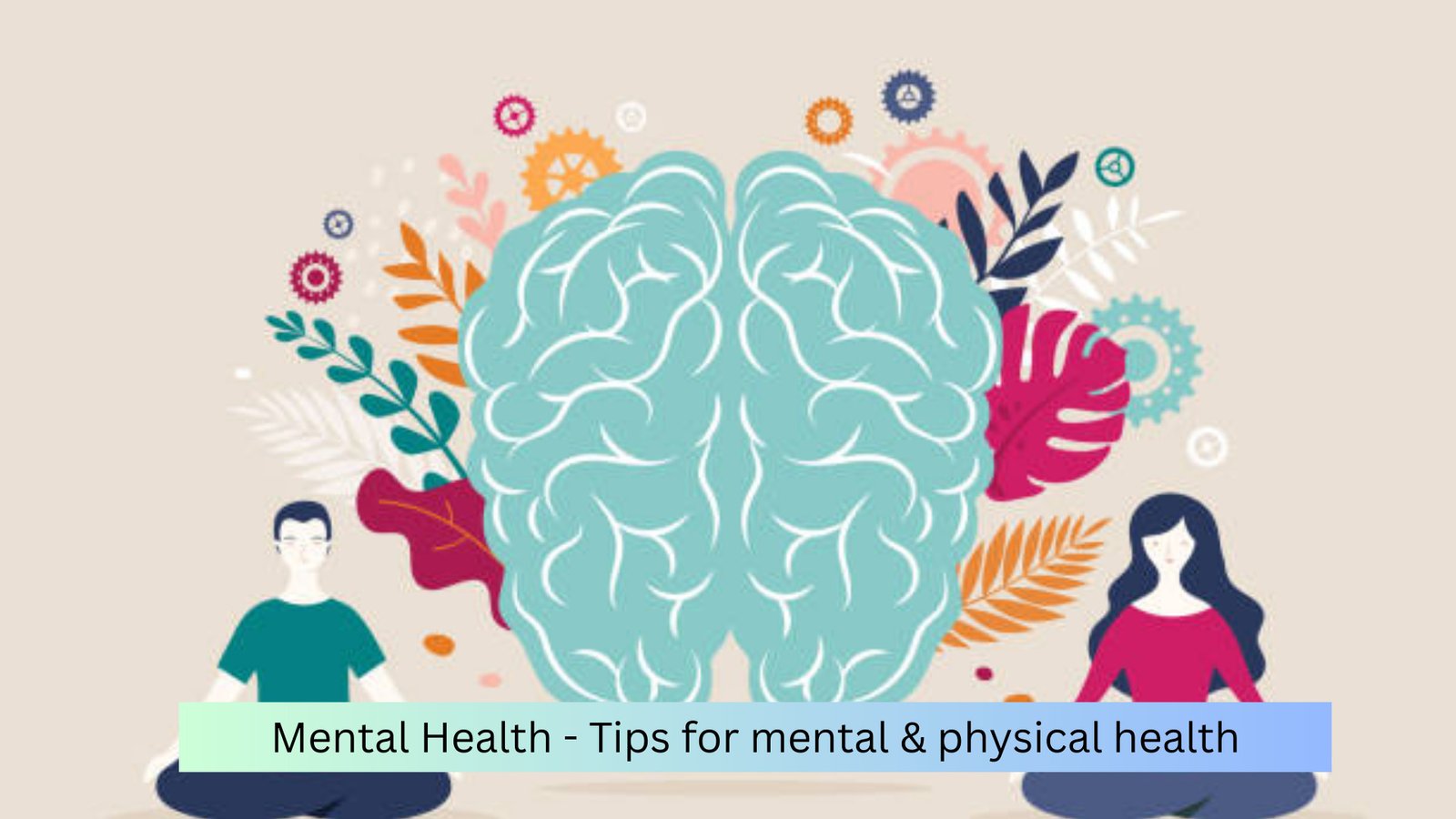
Mental Health – Healthy habits for good health
How physical and mental health is linked, here are some tips you can use:
1. Get Moving With Regular Exercise And Muscle Training
Exercising regularly helps not only improve your physical health but also increases your energy and stamina. At the same time, exercise can also help you improve your mental health — reduce feelings of depression and stress, and enhance your mood and overall emotional well-being. The better your physical state, the easier it is to see the world positively. It also has the added benefit of improving muscle mass and strength, building bones, and reducing body fat. Studies have shown that overweight and obese women who lost between 5% and 10% of body weight saw improvements in continence.
2. Eat A Balanced Diet
If you’re struggling with your mental or physical health, there could be a relatively easy fix: Make conscious efforts and develop healthy eating habits, of a balanced diet, a rainbow of fruits and vegetables, and nutrient-dense foods from other food groups. Not only do you reduce your risk of chronic diseases and some cancers, but you also get to improve your gut health and enhance your mood.However, certain foods, have been linked to urinary incontinence, such as honey, citrus juice & fruits. Hence, choose your foods carefully and stop eating or cut back on drinks or foods that may cause bladder symptoms.
3. Get Plenty Of Sleep
Sleep is a natural state of rest for the body and mind. As you drift off into slumber, your body gets to rest and rejuvenate, repairing tissues and boosting your immune system. Plus, your mind is freed from the worries and stress of the day. Without enough sleep, you’ll have to operate with less energy and might find concentrating harder. Worse, poor sleep impacts moods and may increase frustration and irritability. Suppose you are continuously not getting enough sleep. In that case, you increase the chances you develop heart disease, diabetes, and high blood pressure, among other conditions. By developing healthy sleep habits every night — between seven to nine hours as a guide — you can sharpen your learning and problem-solving skills while increasing your attention span, creativity, and decision-making.
 Read this:6 Reasons Mental Health Is so Important Mental Health
4. Stay Hydrated
Staying hydrated is a vital healthy habit for your body because water is essential for many bodily functions, like regulating body temperature, lubricating joints, and ensuring your organs work normally. Furthermore, more than half of the human body is made up of water.When you don’t drink enough water, your body can become dehydrated, leading to a host of problems such as headaches, fatigue, dizziness, and even confusion. In more severe cases, it can even lead to heat stroke, which can be dangerous.
How much water your body needs depends on your size, activity level, and where you live. In general, ensure you have enough fluids to pass urine every few hours to remove metabolic products and toxic wastes filtered from your kidneys. A more pressing question, if you have incontinence, is how much water you should drink. There’s no fixed quantity, but a good gauge is to pay attention to your bladder urges during fluid intake. Also, pay attention to the type of beverages, as some may irritate the bladder.
5. Stretch Regularly To Improve Flexibility
Stretching exercises can be beneficial to strengthen the muscles that support the bladder and other pelvic organs, in addition to improving your posture, improve your posture and increase blood flow to your muscles which helps reduce muscle soreness and stiffness.And it can be a great way to relax and reduce stress because when you stretch, you focus on your breath and your body, which can help you feel more centered and calm. For instance, Yoga could help relieve the symptoms of incontinence. The breathing techniques improve blood flow throughout the body, which helps keep the pelvic area healthy. The mula bandha (root lock) is one of Yoga’s best pelvic floor muscle exercises. It strengthens the pelvic floor muscles, which helps prevent urine leakage.
It’s important to note, however, that every individual’s situation is unique, and it’s always a good idea to speak with a healthcare provider or a physical therapist before beginning any new exercise routine. They can help you determine which exercises are best for your specific needs. They can also help ensure that you’re performing them correctly.
6. Take A Break From Screens
While taking a break from screens may not have a direct impact on incontinence, it can still have a positive effect on overall pelvic floor health. For instance, if you spend long periods sitting in front of a screen, you may be neglecting the pelvic floor muscles. This can contribute to weak or tight pelvic floor muscles, which can be a factor in urinary incontinence. Taking a break from screens and engaging in other activities, like going for a walk or doing a yoga class, can help you move your body muscles and engage your pelvic floor muscles.
Additionally, taking a break from screens and engaging in other relaxing activities, like meditation or deep breathing, can help reduce feelings of stress and anxiety. Stress is a known trigger for urinary incontinence. By lowering stress levels, you can also reduce the frequency or severity of incontinence episodes. And it improves sleep and less strain on the eyes. While taking a break from screens may not be an immediate solution for incontinence, it’s still an important healthy habit to implement. A digital break can positively impact overall pelvic floor health and reduce incontinence symptoms.
7. Practice Mindfulness
mindfulness involves paying attention to the present moment without judgment or distraction. Practicing mindfulness can help reduce stress and anxiety, common triggers for incontinence. When you are stressed or anxious, your body produces hormones that can affect the pelvic floor muscles, leading to incontinence. In addition to reducing stress and anxiety, mindfulness can help improve your awareness and attention to your body. By learning to recognize the signals that indicate the need to go to the bathroom, you can develop better control over your bladder and reduce the frequency or severity of incontinence episodes.
8. Connect With Others
Anyone knows that dealing with incontinence can be embarrassing and isolating. And it is prevalent among women. So if you feel this way, talking with others experiencing the same issues may be helpful. These individuals can also provide additional advice for managing the symptoms. You can also approach your healthcare professional about local or online support groups for incontinence or contact National Association for Continence, which provides resources to help connect people with support groups.
9. Take Care Of Your Skin
A urine leak is not only uncomfortable but also harms your skin. When urine comes into contact with your skin, it can cause irritation, redness, and even sores or infections. Also, prolonged moisture exposure can weaken your skin and make it more susceptible to further damage.
That’s why taking care of your skin is essential when managing incontinence. If you use absorbent products, change them frequently to help keep your skin dry and reduce the risk of leaks or accidents. By following these simple steps, you can help protect your skin and manage the effects of incontinence more effectively. Remember, taking care of your skin is integral to overall health and well-being and can help you feel more comfortable and confident in your daily life.
10. Get Regular Checkups
One of the more important healthy habits on this list, regular check-ups can help identify any underlying medical conditions that may be contributing to your incontinence. For example, conditions like diabetes or multiple sclerosis can affect bladder function and cause incontinence. By detecting these conditions early on, you can work with your doctor to manage them and reduce the impact on your bladder function.
Your doctor can also help you identify lifestyle changes or habits affecting your incontinence. For example, drinking too much caffeine or alcohol or not drinking enough water can affect your bladder function. By working with your doctor during your checkup visit, you can identify these factors and modify your lifestyle to better manage and improve your incontinence.
Your doctor can also provide you with guidance and advice on managing your incontinence. They can recommend specific exercises or physical therapy to help strengthen your pelvic floor muscles, which can improve bladder control. They can also recommend medications or other treatments that may be helpful in managing your symptoms. Incontinence can be a complex condition that requires ongoing management. Regular checkups can monitor your progress and adjust your treatment plan for a desirable outcome.
11. Practice Good Oral Hygiene For Good Overall Health
You might be wondering, what does oral hygiene have to do with managing incontinence?
People with poor oral health are at risk of bladder and kidney disease as bacteria from the mouth can travel to the bladder and cause inflammation or infection, leading to incontinence. So, good oral hygiene means brushing your teeth at least twice daily, flossing regularly, and seeing your dentist for regular checkups and cleanings. By keeping your mouth healthy, you can help keep the rest of your body healthy and diminish your risk of developing bladder problems and incontinence.
Learn something new/take up a new hobby Learning new skills or engaging in mentally stimulating activities improves cognitive function and brain plasticity. This, in turn, can positively affect the pelvic muscles and nerves that control bladder and bowel function. In addition to these specific examples, taking up a new hobby or activity can reduce stress and anxiety, improve mood and self-esteem, and increase social interaction and support.
12. Take A Walk
Walking as a regular exercise helps you strengthen the muscles that support the bladder and bowel, including the pelvic floor muscles. These muscles are responsible for controlling the release of urine and feces. Aim for at least 30 minutes of moderate-intensity exercise, such as brisk walking, most days of the week.
13. Keep A Journal
Keeping a personal journal can still be therapeutic and, at the same time, help you cope with the challenges of living with incontinence. Writing in a journal provides a safe and private space to express your thoughts and feelings about your condition. It can also help you to identify any negative thoughts or beliefs that may be holding you back and find ways to reframe them in a more positive light.
For example, if you’re feeling embarrassed or ashamed about your incontinence, writing about these feelings in a journal can help you process them and come to a place of acceptance and self-compassion. You can also use your journal to set goals and track your progress, such as gradually increasing the time between restroom breaks or reducing the frequency of accidents.
By recording when and how often you experience incontinence and any factors contributing to it, you can start to identify patterns and adjust your habits and routines to improve your bladder and bowel function. So, whether you keep a journal just to track your incontinence symptoms or a personal diary to process your emotions and experiences, it can be a valuable tool in managing your condition and improving your overall well-being.
14. Listen To Music
While it may not seem immediately obvious, listening to music can actually be a helpful strategy for managing incontinence. First, it’s essential to recognize that incontinence can be stressful and anxiety-provoking for many people. For example, the fear of having an accident in public or the discomfort of experiencing leakage can cause feelings of anxiety and tension, making the problem worse. Listening to music, however, has been shown to have a calming effect on the body and mind. Music can lower levels of the stress hormone cortisol and reduce feelings of anxiety and tension. This can be particularly helpful for people with incontinence, as it can help them to relax and reduce the physical and emotional stress that can aggravate symptoms.
In addition to its calming effects, music can be a helpful distraction from the discomfort and embarrassment of incontinence. Focusing on the music can take your mind off your symptoms and shift your attention to something more enjoyable and uplifting. And while performing pelvic floor exercises, you can tune into your favorite songs or music to enhance the exercise experience. Of course, it’s important to note that music is not a cure for incontinence, and it’s always best to work with a healthcare provider to develop a comprehensive treatment plan. However, incorporating music into your self-care routine may be a helpful adjunct to other strategies for managing incontinence.
15. Get A Pet
Everyone knows that pets provide companionship and emotional support, which can be especially important for people with incontinence. Living with a chronic condition can be isolating and stressful, and having a furry friend around can help to reduce feelings of loneliness and improve mood. Furthermore, pets can help to reduce stress and anxiety, which can be particularly helpful for people with incontinence, as it can help to reduce the physical and emotional tension that can contribute to bladder and bowel dysfunction.
In addition to the emotional benefits of having a pet, there are also some practical ways that pets can help with incontinence management. For example, dogs can be trained, similar to that of a guide dog, to alert their owners when it’s time to go to the bathroom, which can be especially helpful for people with mobility issues or cognitive impairment. Some service animals can even be trained to assist with specific incontinence-related tasks, such as helping with clothing changes or providing support during transfers. Finally, having a pet can provide motivation for staying active and engaged in daily life. Going for walks with a dog or playing with a cat can be a fun and rewarding way to incorporate physical activity into your routine, which can help to improve overall health and reduce incontinence symptoms.
16. Learn Something New or Take Up A New Hobby
Learning new skills or engaging in mentally stimulating activities improves cognitive function and brain plasticity. This, in turn, can positively affect the pelvic muscles and nerves that control bladder and bowel function. In addition to these specific examples, taking up a new hobby or activity can reduce stress and anxiety, improve mood and self-esteem, and increase social interaction and support.
17. Try A New Food
Trying a new food can also be a fun and engaging way to add variety to your diet, which can be important for overall health and well-being. Plus, connecting with others and engaging in social activities is great. Sharing meals with friends and family can be a fun and rewarding way to build relationships and promote social support, which can be especially important for people with incontinence who may sometimes feel isolated or self-conscious.
On a more cautious note, pay attention to the ingredients in the food, as certain foods and drinks can irritate the bladder or bowel and contribute to incontinence symptoms. For example, caffeine, alcohol, and spicy or acidic foods can all be problematic if you already have incontinence. However, everyone’s triggers are different. Therefore, experimenting with new foods to identify your triggers can be helpful.
18. Go Outside
It is perfectly normal that you may feel hesitant to leave the house or engage in social activities if you are experiencing incontinence. However, staying active and engaged in the community can benefit managing incontinence. By going out and engaging in social activities, you may be better able to manage stress and anxiety. In addition, going out and being physically active can help support bowel regularity, which can help reduce incontinence symptoms. Finally, going out can be a way to build social connections and promote social support, which can be especially important for people with incontinence, who may sometimes feel isolated or embarrassed.
Of course, planning and being prepared when going out is much needed, especially if you are concerned about incontinence symptoms. Bring extra clothing or incontinence products, and identify restrooms or other facilities that can provide privacy and support. With some planning and preparation, a day out can be safe and enjoyable.
19. Volunteer
By volunteering, you can connect with others who share similar interests or passions, which can help to build a sense of community and support. In addition, volunteering can be a way to stay physically active and engaged, improving cognition and hence better bladder and bowel control. Finally, volunteering can be a way to build self-confidence and a sense of purpose, which helps with self-esteem. Of course, it’s necessary to choose volunteer opportunities that are appropriate for your abilities and interests and to be mindful of any physical limitations or concerns related to incontinence.
20. Quit smoking
smoking is bad for your overall health, and it irritates the bladder. and cause frequent urination. Additionally, smoking is known to increase the risk of chronic coughing, which can put extra strain on the pelvic muscles and increase the risk of incontinence. So, by quitting smoking, you not only help improve your overall health and reduce cancer risk but also potentially reduce the chances of urine leaking if you already have the condition.
21. Know Your Medication
Medications such as antidepressants to calm your nerves so you can sleep or relax may interfere with bladder function. Alpha-blockers for blood pressure control are another medication that may make it more likely for your bladder to leak urine. Knowing your medication and being aware of its potential side effects on bladder control and urine production can help manage your other health symptoms effectively.
Read this:Mental Health 20 Simple Ways to Reduce Stress & Anxiety
Follow Us
Follow KannadaFolks channel on WhatsApp
Visit the Kannadafolks.in follow the latest updates
Subscribe and Receive exclusive content and updates on your favourite topics
Subscribe to KannadaFloks YouTube Channel and watch Videos
 Support Us