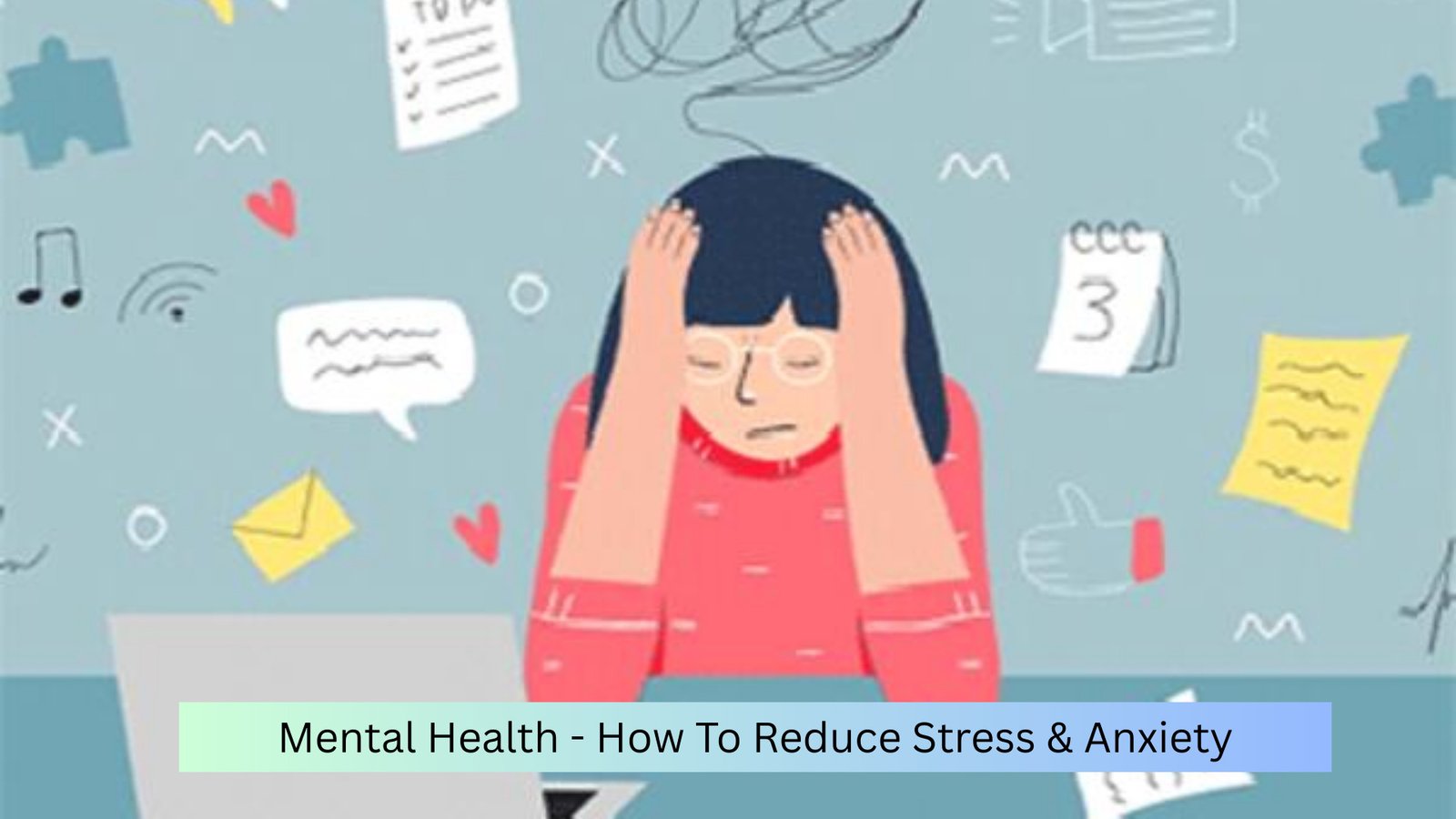
Mental Health – Quick ways to Reduce Stress & Anxiety Instantly
The Science Behind Stress and How It Affects You
Stress is not “all in your head”—it causes actual, physical changes in your body. Under stress, your brain releases the hormones cortisol and adrenaline, getting your body ready for “fight or flight.” This reaction helps in an emergency, but extended stress keeps cortisol and adrenaline coursing through your system for too long, causing weariness, unease, sleeping problems, and even chronic medical conditions such as heart disease and compromised immunity.
Stress also impairs memory, concentration, and decision-making because it interferes with the ability of the brain to process information. That is why individuals get confused, forgetful, or lack focus while under stress.
Read here:Mental HealthDaily Habits to Boost Mental Health
Here are 20 easy and effective ways to achieve stress relief and bring a sense of calm back into your life:
1. Move Your Body
Exercise isn’t just good for your body—it’s a powerful tool for stress reduction, too. Physical activity releases endorphins, which improve mood and act as natural painkillers. You don’t have to hit the gym every day; a simple walk, stretching session, or dance break can work wonders. Stress management activities like yoga, jogging, or even a quick set of jumping jacks can make you feel instantly better.
2. Eat Nutrient-Rich Foods
What you eat affects how you feel. Processed foods, sugary snacks, and caffeine can spike anxiety levels. On the other hand, whole foods like leafy greens, nuts, fish, and berries support brain health and promote stress relief. Magnesium-rich foods, such as almonds and spinach, are especially helpful in calming the nervous system.
3. Set Boundaries and Say No
Overcommitting leads to burnout. If you feel stretched too thin, start saying “no” more often. Setting clear boundaries at work and in your personal life protects your mental well-being. A little self-preservation goes a long way in stress management.
4. Reduce Screen Time
Endless scrolling through social media or binge-watching TV late at night? That’s a fast track to increased stress. Studies have shown that excessive screen time disrupts sleep and increases anxiety. Try a quick stress relief strategy: set phone-free hours, especially before bedtime, to give your mind a break.
5. Practice Deep Breathing
Ever noticed how your breathing changes when you’re stressed? Shallow, rapid breaths can make anxiety worse. Deep breathing techniques, like diaphragmatic breathing or box breathing, slow down the heart rate and activate relaxation responses. Just a few minutes of focused breathing can bring instant stress relief.
6. Try Mindfulness and Meditation
Mindfulness is all about being present in the moment. Whether it’s through guided meditation, mindful walking, or simply paying attention to your breath, this practice lowers cortisol levels (the stress hormone) and enhances emotional resilience. Even five minutes a day can improve stress management.
7. Keep a Journal
Writing down your thoughts can be incredibly therapeutic. Whether you’re venting frustrations, listing things you’re grateful for, or setting goals, journaling helps process emotions and reduce anxiety. If you don’t know where to start, try writing about what’s causing you stress and how you plan to tackle it.
8. Listen to Music
Music has a direct impact on mood. Slow, calming music can lower blood pressure and relax the nervous system. Need a quick stress relief fix? Put on your favorite playlist, whether it’s classical, lo-fi, or even nature sounds, and let your mind unwind.
9. Laugh More
Laughter truly is medicine. Watching a funny show, spending time with a lighthearted friend, or even laughing at yourself can instantly reduce stress hormones. Humor shifts perspective and helps you see situations in a more positive light.
10. Prioritise Sleep
Lack of sleep is a huge contributor to stress. Poor rest affects decision-making, increases irritability, and weakens the immune system. Aim for 7-9 hours of quality sleep. Develop a bedtime routine that includes relaxation techniques like reading or light stretching to promote better rest.
11. Stay hydrated
It’s easy, but you’ll be more anxious and irritable when you’re thirsty. When stressed, stress hormones increase. Keep a water bottle by your side during the day, and drink plenty of water!
12. Reduce caffeine
That second cup of coffee may be exacerbating your anxiety. Too much caffeine can cause jitters and interfere with sleep. Experiment with herbal teas or decaf if you find that caffeine is impacting your stress levels.
13. Use Aromatherapy
There are some fragrances that calm the mind. Lavender, chamomile, and eucalyptus oils tend to induce stress reduction. Use a diffuser, put essential oils on your pulse points, or soak in a warm bath with soothing fragrances.
14. Take Short Breaks
If work or responsibilities get overwhelming, take short breaks to recharge. Take a stroll outside for some fresh air, stretch your muscles, or simply close your eyes for a few minutes. Short breaks can boost productivity and help with stress management.
15. Spend Quality Time with Loved Ones
Social support is a quick stress reliever. Talking to friends or family, even cyber, dispels the feeling of isolation and reassures us. A few minutes of conversation with someone who understands and knows can make all the difference.
16. Spend Time in Nature
Nature has this magic of soothing the mind. A walk around the park, a sitting spot by a lake, or even stepping out for a bit of fresh air is all that nature gives us to relieve stress relief. Research indicates that simply looking at leaves can reduce stress levels.
17. Play with a Pet
If you have a pet, you already have a stress-reducing companion. Time with animals reduces cortisol and increases feel-good hormones. If you don’t have a pet, spending time at an animal shelter or visiting a friend’s pet can be just as rewarding.
18. Organise Your Space
A messy space can contribute to stress and make it more difficult to concentrate. Spending a few minutes cleaning up your area instils a feeling of order and tranquillity. Begin small—clearing your desk or making your bed can be a huge help.
19. Pursue a Creative Activity
Engaging in something creative such as painting, writing, or playing an instrument occupies the mind away from tension and permits expression. Hobbies offer a mental respite and are an excellent addition to stress exercises.
20. Don’t Procrastinate
Procrastination is the biggest reason for stress and anxiety. Divide huge tasks into small steps and complete them one at a time. A to-do list can bring things back into perspective and decrease feelings of being overwhelmed.
Read here: Tips to Boost Your Mental Health and Feel Better Daily Mental Health
Follow Us
Follow KannadaFolks channel on WhatsApp
Visit the Kannadafolks.in follow the latest updates
Subscribe and Receive exclusive content and updates on your favourite topics
Subscribe to KannadaFloks YouTube Channel and watch Videos
 Support Us