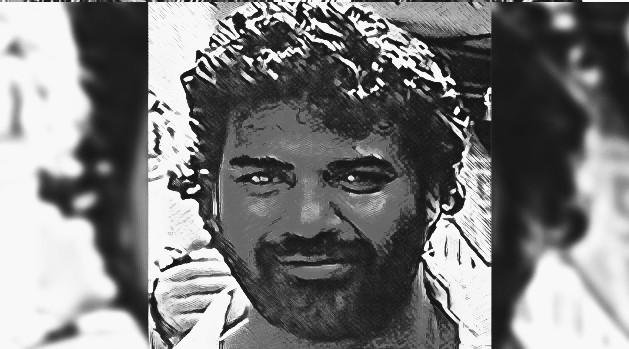
Koli Fayaz
They called him that because he ran a poultry farm. “Koli” means chicken. But there was nothing soft about this man.
He was the don of Shivajinagar. And his story? It’s not one of power and glory. It’s a story about how violence eats its own children.
Read our previous article-Indira Brigade or nest of criminals And the lie that Bengaluru forgot.
Who Was Koli Fayaz?
Fayaz wasn’t a mastermind. He wasn’t a strategist. He was something simpler and uglier—a local strongman who ruled through fear.
His kingdom was small. Shivajinagar. Tannery Road. Ilyasnagar. A few square kilometers in Bangalore where his word was law. Where shopkeepers paid him hafta. Where rivals knew not to cross him. Where ordinary people crossed the street when they saw him coming.
He was a key figure in establishing Bangalore’s Muslim underworld in the 1980s. But his organization wasn’t some grand empire. It was a street gang. Plain and simple. A group of men bound by loyalty and violence, fighting over small territories and smaller egos.
There were no massive businesses. No international connections. Just local extortion. Local power. Local fear.
And in this world, local is temporary.
The Brutality
Fayaz’s power came from one thing: raw fear.
He didn’t need to be clever. He didn’t need to be strategic. He just needed people to be afraid of what he might do. And they were.
In Shivajinagar, his name carried weight. Not because he had built anything. Not because he had created jobs or helped people. But because crossing him meant bleeding. Simple as that.
That’s the kind of power that feels strong but is actually fragile. Because fear doesn’t create loyalty. Fear creates silence. And silence doesn’t protect you when someone comes for you.

fictional image
The Betrayal
1995.
Fayaz had been running Shivajinagar for years. He had men under him. He had enemies around him. He thought he was safe.
He wasn’t.
The men who killed him weren’t rivals from another gang. They weren’t police in an encounter. They were his own people.
Rizwan. Sultan. “Chappal” Hameed. These were men from his inner circle. Men who ate at his table. Men who called him boss.
And leading the plot? His closest associate. Tanveer.
Think about that for a moment. The man Fayaz trusted most. The man he probably treated like a younger brother. That man sat in a room with others and planned his death.
They attacked him. Killed him. And just like that, Koli Fayaz—the don of Shivajinagar—was gone.
Tanveer took over his territory. His men. His business. Everything Fayaz had built in a decade of violence was transferred in a single night of betrayal.
That’s the rule of this world: alliances are temporary. Loyalty is rented. And the rent is always due.
The Son
But here’s where the story gets truly dark.
Fayaz had a son. Pappu. Amir Khan.
He was only ten years old when his father was murdered. Ten years old. Old enough to understand what happened. Too young to do anything about it.
You’d think that would be the end. The son would grow up, stay away from this world, become something else. That’s what happens in the movies.
This is not a movie.
When Pappu turned eighteen—eight years after his father’s death—he didn’t stay away. He walked into the underworld. And the man who took him under his wing?
Tanveer.
The same man who killed his father.
Think about that. Let it sink in. The man who murdered Koli Fayaz became the mentor to his son. Taught him the ropes. Introduced him to the life. Made him a part of the same gang that killed his own blood.
What does that say about this world? About the hold it has on people?
Pappu didn’t seek revenge. He didn’t run away. He joined. He became exactly what his father was. A criminal. A killer. A name on a police file.
Today, he has 22 cases against him. Murder. Attempted murder. Robbery. Extortion. The full menu.
His father’s legacy? A son who carries on the family business. Not a business of money or power. A business of blood.
The Cycle
This is what makes Koli Fayaz’s story different from the others.
Jayaraj was killed. Kotwal was killed. Oil Kumar was killed. Rajendra was killed. That’s the ending for most gangsters. A bullet. A blade. A body in the dark.
But Fayaz? His death wasn’t the end. It was just a pause. Because his son picked up where he left off.
The violence didn’t die with him. It multiplied. It continued. It infected the next generation.
Pappu was ten when his father died. Ten years old, watching his world collapse. Did anyone step in? Did anyone pull him away from this life? Did anyone show him another path?
Apparently not. Because by eighteen, he was in the same gang. Working with the same men who killed his father. Becoming the same kind of monster.
That’s not a legacy. That’s a curse.

fictional image
What He Left Behind
Koli Fayaz left nothing of value.
No business that survived. No community that mourned him. No name that anyone speaks with respect. Just a son with a police record longer than his arm. Just a cycle of violence that keeps turning.
His territory in Shivajinagar? Tanveer took it. Then someone took it from Tanveer. Then someone else. It’s just a piece of land where different men collect money from different shopkeepers. The names change. The game doesn’t.
His son? Pappu is in and out of jail. Wanted by police. Targeted by rivals. Living the exact same life that got his father killed.
That’s the inheritance Koli Fayaz left behind. Not money. Not power. Not respect. Just a target on his son’s back and a spot in the endless cycle of violence.
Read our previous article-M.P. Jayaraj Ruthless criminal of Indira brigade
The Real Lesson
Here’s what I want you to understand.
Koli Fayaz wasn’t a legend. He wasn’t a king. He was a local thug who scared people in a few neighborhoods for a few years. That’s all.
His story matters because it shows something the others don’t.
Jayaraj’s death ended his line. Kotwal’s death ended his line. Oil Kumar had no son to carry his name. Rajendra left nothing behind.
But Fayaz? His blood continued. And that blood carried the same poison.
He proved that in this world, violence isn’t just a tool. It’s a disease. It spreads from father to son. It infects families. It creates generation after generation of broken men with sharp weapons and empty futures.
His son isn’t a criminal because he’s evil. He’s a criminal because that’s all he was ever shown. That’s all his father left him. A blueprint for destruction.
Final Words
Koli Fayaz.
A poultry farmer who became a don. A local strongman who ruled Shivajinagar with fear. A man who was betrayed by his closest friend and killed by his own people.
And a father who left his son the worst inheritance possible: a life of crime.
His story doesn’t end with his murder in 1995. It continues every time his son picks up a weapon. Every time his son is arrested. Every time his son becomes a target for the same kind of betrayal that killed him.
That’s the real tragedy. Not that he died. But that he made sure the violence would live on.
In his name. In his blood. In his son.
Read this article for more interesting crime stories - the bloody timeline
Read our previous article – Kotwal Ramachandra-this story doesnt need any masala.
Read our previous article – M.P. Jayaraj ; Ruthless criminal of Indira brigade
Read our previous article – Bekkina Kannu Rajendra From Gangster to Businessman to underworld
Read our previous article – Brutal Story of Bangalore Gangsters : A Bloody Historical Timeline
Read our previous article –You want to know why the Indira Brigade was found
Read our previous article –Indira Brigade or nest of criminals And the lie that Bengaluru forgot.
Information sources-Koli Fayaz.
 Support Us