
Top 15 Home Remedies for Cold and Cough Relief – Health Tips
A productive or wet cough occurs when a person coughs up mucus or phlegm. Nonproductive coughs or dry coughs are coughs that do not produce any mucus. Wet coughs may be due to an infection, such as pneumonia or bronchitis. However, dry coughs often follow respiratory illnesses, such as flu and colds. Most coughs clear up on their own within three weeks and don’t require treatment.
A chronic cough can be more than just an annoyance. It can disrupt sleep, cause discomfort, interfere with work and social interactions, and even indicate an underlying health condition.
Here is the Natural home remedies for cough and cold:
Ginger

Ginger (Z. officinale, Zingiberaceae) is one of the most popular natural home remedies for cough and sore throat. The active compound in ginger that helps soothe cough is gingerol, which has anti-inflammatory and antimicrobial properties. Additionally, it can help relax the airways and reduce irritation.
Crushed fresh ginger is boiled with water, and this herbal solution is drunk three to four times per day for relief from continuous coughing, sore throat and even congestion. Some honey and lemon juice may be recommended to add. Another alternative is to chew fresh raw ginger throughout the day to alleviate coughing. Many other options are available for taking ginger, such as combining ginger and Tulsi. Ginger tea can also help relieve cough. Dry cough natural remedies for adults include chewing a piece of fresh ginger and sprinkling salt on it.
Honey

Honey is a long-standing remedy that is easily affordable and accessible so that it could be worth a try. It can provide more effective relief from coughs than over-the-counter (OTC) medicines containing a cough suppressant (dextromethorphan).
Dry coughs could be relieved by adding honey to hot milk, which also helps to alleviate chest pain from sustained coughing. Mixing honey in warm lemon water or drinking tea is beneficial for soothing coughs and sore throats. For added benefits from honey’s analgesic properties, a teaspoon of plain honey should be swallowed on an empty stomach to clear mucus and soothe the throat.
These home remedies can relieve the various symptoms of a cough without the side effects that come with pills and cough syrups. However, if anyone experiences continuous coughing for more than two weeks, it’s important to seek professional advice. Consulting a healthcare professional is a responsible and caring step to ensure your health and well-being.
Garlic

Garlic (Allium sativum L. (Amaryllidaceae)) is an all-rounder treatment for preventing common cold, cough, lung tuberculosis, asthma, wound infections, malaria and other conditions. It enhances immune function and prevents common cold and flu symptoms such as cough. It also exhibits anticancer and chemopreventive activities. Allicin, a compound found in garlic, is an effective treatment for common colds and their symptoms.
In addition, aged garlic extract has neuroprotective, antioxidative and hepatoprotective properties, whereas other preparations may stimulate oxidation.
Turmeric

Turmeric (Curcuma longifolia L., Zingiberaceae) is known for its therapeutic effects on coughs, especially dry coughs. Curcumin, a substance found in turmeric, is anti-inflammatory and antibacterial, which might be helpful for several things, such as dry coughs.
A warm glass of milk with half a teaspoon of turmeric powder can also provide relief from cough. To prepare a remedy, mix one teaspoon of turmeric powder with one teaspoon of black pepper and boil it in half a cup of water. One can also add cinnamon sticks for extra flavour. After boiling, mix in one tablespoon of honey and drink this daily until a cough patient feels better.
Almonds

Almonds (scientifically called Prunus amygdalus Batsch, Rosaceae) have nutritional properties that help subside symptoms of cough. Soak five to six almonds in water for 8 to 10 hours. Once soaked, blend the almonds into a smooth paste and mix in one teaspoon of butter. Consume this mixture three to four times a day until symptoms improve.
Pineapple

Pineapple, scientifically known as Ananas comosus (L.) Merr. from the Bromeliaceae family contains bromelain, a mixture of proteolytic enzymes or proteases (protein-digesting enzymes).
Bromelain suppresses coughs, loosens mucus in the throat, and alleviates sinusitis and allergy-related sinus issues, which can contribute to coughing and mucus production. However, bromelain supplements should not be taken by children or by adults who are on blood thinners. The supplement has been shown to provide immediate improvement when combined with honey.
Grapes

Grapes (Vitis vinifera L., Vitaceae) have expectorant properties that help release mucus from the respiratory system. The quicker the mucus is eliminated; the sooner coughing can subside. Grapes can be eaten directly or consumed as fresh grape juice. Combining grape juice with a spoonful of honey can be both soothing and effective.
Ajwain seeds
Read this:8 Tips For Healthy Eating Health Tips
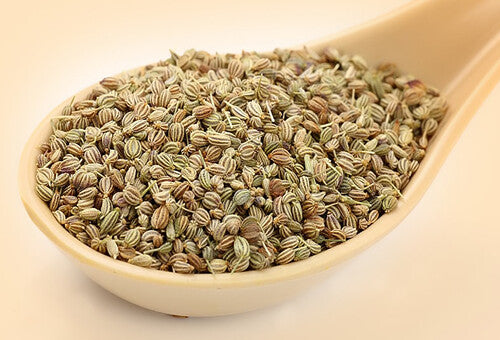
Ajwain, scientifically known as Carum copticum L. (from the Apiaceae family), seeds contain approximately 50% thymol, a well-known antibacterial monoterpene. This compound is recognized for enhancing the immune system and helping to ward off colds, flu, and other viral infections. Research shows that the antitussive (cough-relieving) effect of C. copticum is even greater than codeine, largely due to its main constituent, carvacrol. Additionally, it exhibits a bronchodilatory effect on asthmatic patients’ airways, comparable to theophylline’s.
Lemon
:max_bytes(150000):strip_icc()/Health-GettyImages-1826614930-72c08b81b4474af9a9f86438e5f78485.jpg)
Lemons (Citrus limon) can relieve coughs, reduce inflammation, and boost vitamin C (infection-fighting). For a simple cough syrup, mix two tablespoons of lemon juice with one tablespoon of honey and drink it several times a day. Another option to use lemons is to blend lemon juice with a pinch of cayenne pepper and a little honey and then drink it.
Jaggery

Jaggery remedies are useful to calm congestion and cough. Sputum buildup can cause a sensation of congestion in the chest and respiratory tract; expelling it relieves coughing and congestion. Boil a few peppercorns in water for about 20 minutes. Then, mix in a little cumin and jaggery (cane sugar from Saccharum officinarum L., a member of the Poaceae family) and drink it. To help expel phlegm, cut a quarter of an onion, place a small piece of jaggery in the center, and chew on it.
Peppermint

Peppermint (Mentha piperita L., family Lamiaceae) leaves, and eucalyptus oil (Eucalyptus citriodora Hook., family Myrtaceae) are both well-known for their healing properties. The active ingredient in peppermint is menthol which acts as a decongestant that soothes the throat, helps break down mucus. Health can also be promoted through peppermint tea or inhaling peppermint vapor via a steam bath. Additionally, an ointment made from eucalyptus oil, coconut oil, and beeswax can relieve coughs.
Lavender oil

Lavender oil (Lavandula angustifolia L., Lamiaceae) has soothing and calming effects on the nerves. It is also beneficial for whooping cough, asthma, colds, bronchitis, laryngitis, halitosis (bad breath), and throat infections. Additionally, lavender oil effectively alleviates headaches, migraines, and insomnia. The vapour from steamed lavender flowers can be inhaled as a remedy for colds and coughs.
Probiotics

Probiotics are beneficial microorganisms that can offer a variety of health advantages. While they don’t directly relieve a cough, they help balance gastrointestinal flora (gut flora). Lactobacillus, a good bacterium in dairy, can reduce the likelihood of a cold or flu and sensitivity to specific allergens like pollen. This can support immune system function throughout the body. Fortified milk is an excellent source of Lactobacillus. However, one should be cautious, as dairy may make phlegm thicker.
Onion

Onion (scientifically called Allium cepa L, Amaryllidaceae) is one of the simplest home remedies for coughs. Breathing in its strong vapours can help alleviate coughing. A cough syrup can be made by combining baked onion juice, comfrey tea, and honey. Drink this daily to relieve a dry cough. Another option is to mix half a teaspoon of onion juice with one teaspoon of honey. Swallow this solution at least twice daily to help soothe your throat and reduce coughing.
Thyme
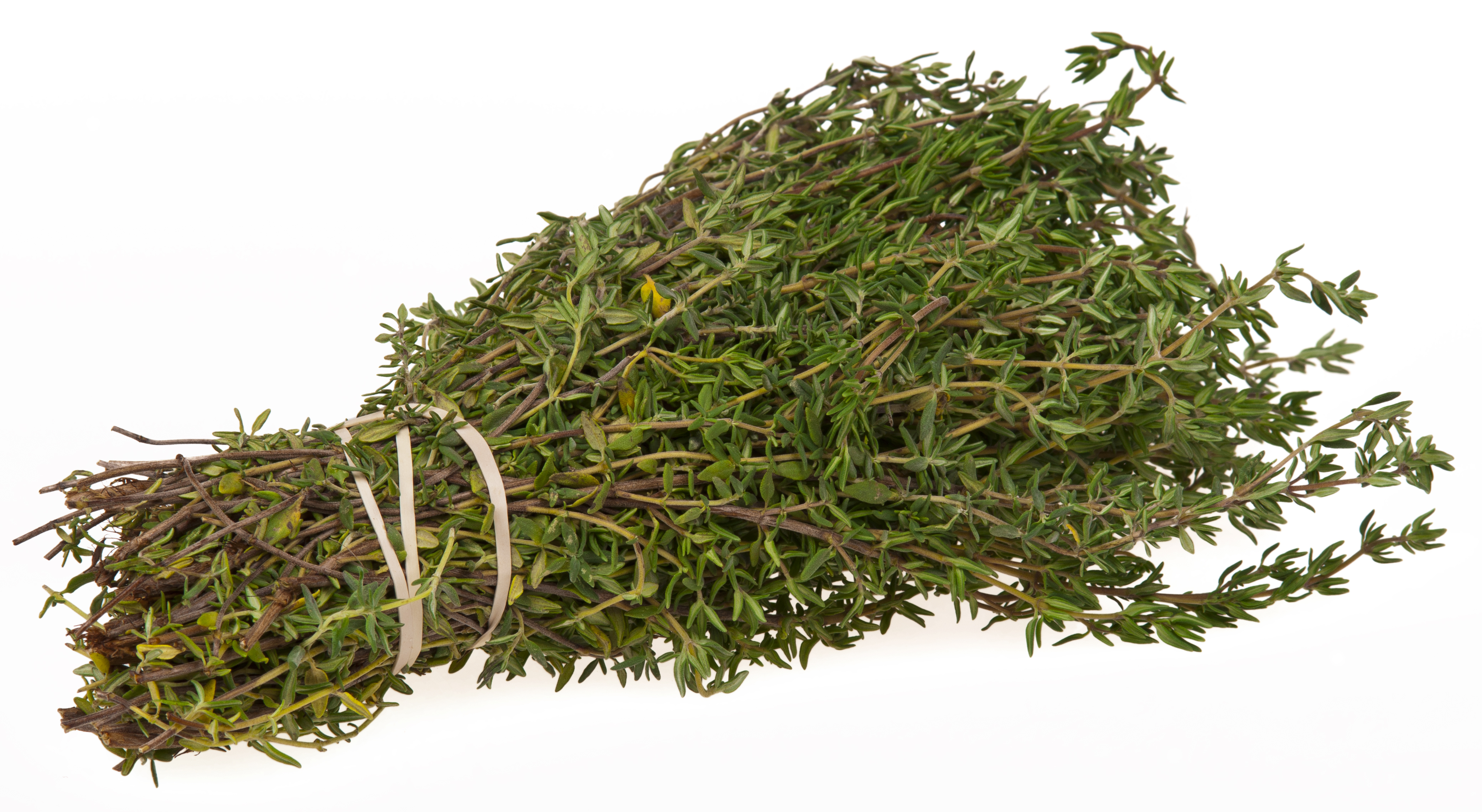
Thyme (Thymus vulgaris L., Lamiaceae) is commonly used to treat respiratory diseases. The essence extracted from thyme leaves helps relieve short-term bronchitis and coughing. The leaves contain flavonoids that relax the throat muscles involved in coughing and reduce inflammation.
To make thyme tea at home, take two teaspoons of crushed thyme leaves and add them to one cup of boiling water. Cover the cup and let it steep for 10 minutes, then strain the mixture. Thyme relaxes the muscles of the trachea and bronchi, opening up the airways. This results in less coughing and increased comfort.
Read this:How to treat the common cold at home Health Tips
Follow Us
Follow KannadaFolks channel on WhatsApp
Visit the Kannadafolks.in follow the latest updates
Subscribe and Receive exclusive content and updates on your favourite topics
Subscribe to KannadaFloks YouTube Channel and watch Videos
 Support Us